|
NON MINIATURE BINOCULARS AND OPTICS: MOSTLY MILITARY |

|
OTHER BINOCULARS #21 & OPTICAL SIGHTS/ MOSTLY MILITARY |


![Text Box: CLICK ON PAGE LINE. CLIQUEZ SUR LA LIGNE DE PAGE. KLICKEN SIE AUF SEITENZEILE. HAGA CLIC EN LÍNEA DE PÁGINA..[ページ行]をクリックします。НАЖМИТЕ НА СТРОКУ СТРАНИЦЫ. ALSO SEE INDEX.](image2302.gif)
|
NEWLY ADDED ITEMS ARE MONTHLY INSERTED THROUGHOUT THESE SECTIONS AND NOT NECESSARILY ON THE LAST PAGE. Redirected search such as google image may display old content or distortion: try a refresh and or go directly to the site : http//www.miniaturebinoculars.com |

|
TWO Bulgarian Army 6x30 military binoculars |

|
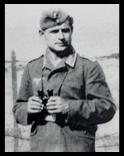
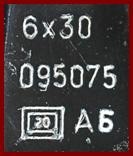
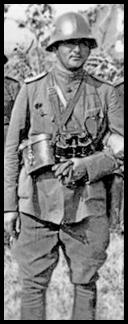
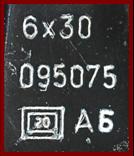
It is my understanding that the Bulgarian army used many different binoculars from different manufacturers in the various 20th century wars it was involved in (First Balkan War 1912-1913, Second Balkan War 1913, First World War 1915-1918, Second World War 1941-1945, and they seem to have also reused many captured binoculars. The Cyrillic “ Б “ on these Bulgarian army binoculars and on my other Bulgarian binoculars is the Bulgarian army ( Б ългарска армия ) military property mark, and the 20 inside box is a Bulgarian army acceptance mark. (see also |
|
Carl Zeiss Bulgarian Army 6x30 military binoculars |
|
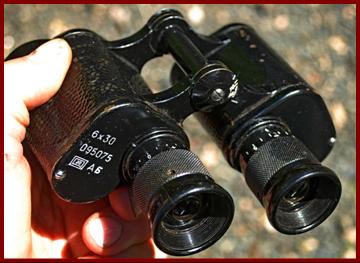
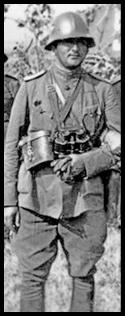
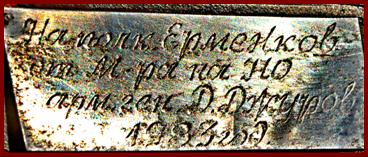
I believe my Carl Zeiss Jena Silvamar 6x30 to be Bulgarian army by it’s “20” marking I have seen on many confirmed Bulgarian army binoculars. I can find no serial number on these binoculars. The ocular cover has an aluminum plate engraved with what I think is a name “Hamork Epehkob” ? And perhaps date “1983”, but have abbreviations and if anyone can read or determine language and translation? contact: miniature.binoculars@gmail.com |
|
For our other Bulgarian Army binoculars see: OTHER BINOCULARS #6 |


|
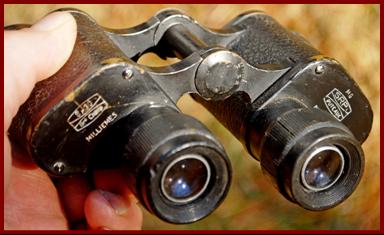
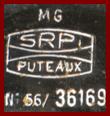
SRPI Grand Champ French Army 8x30 military binoculars, MG (Minist è re de Guerre) serial #36169 |
|
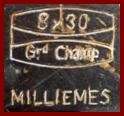
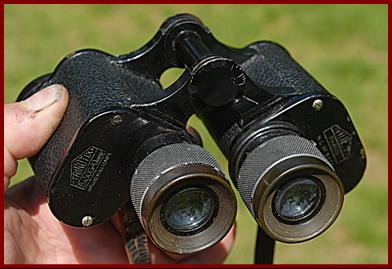
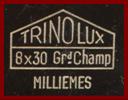
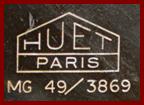
Huet Trinolux Grand Champ French Army 8x30 military binoculars, MG (Minist è re de Guerre) marked, serial #3869 |
|
According to the French Ministere des Armees , SRPI is the French govt contractor S t é de R echerches et de P erfectionnement Industriels located in Puteaux France. |
|
My SRPI 8x30 binoculars are MG / M inist è re de G uerre (French Ministry of War) marked. I believe that the “56/” prefix before serial number 36169 to be year of MG pattern or model approval (1956) rather than year of manufacture (speculative). |
|
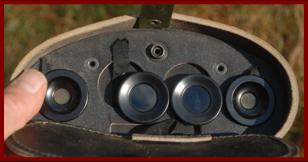
My Huet 8x30 Grand Champ binoculars are MG / M inist è re de G uerre (French Ministry of War) marked. I believe that the “49/” prefix before serial number 3869 to be year of MG pattern or model approval (1949) rather than year of manufacture (speculative). Their case contains a flap of ocular filters. |
|
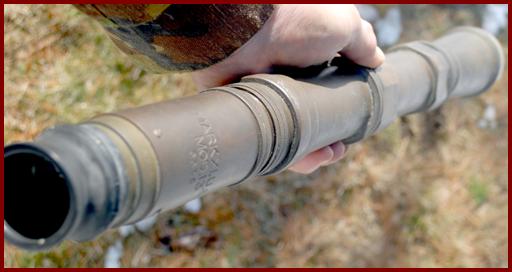
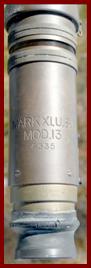
USN/ US Navy Mark XI Model 13 Telescopic Gun Sight |
|
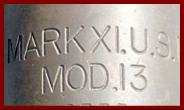
My 24” long and heavy (7 lb) brass MK XI USN Mod 13 brass telescope is presumably a direct fire telescopic gun sight, as it has a non ranging center cross hair. I have found no reference information on these so far, but have seen a photo of an almost identical Mark XI Mod 1 unit which has March 17,1903 patent date markings (but unfortunately no patent no.) so this gives a clue about the original era of these units. If anyone has documentation on these, please email me at miniature.binoculars@gmail.com. |
|
WWII Post 1940 bmj ( Hensoldt & Sohne Optisch Werke ) German Army 6x30 military binoculars |
|
WWII SRB & STYS German Kriegsmarine 7x50 Navy military binoculars |
|
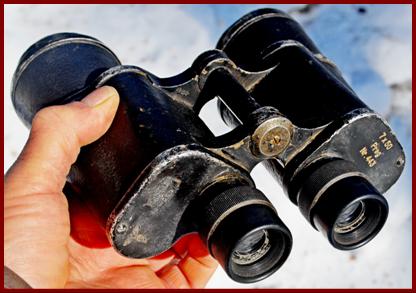
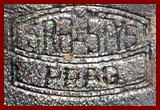
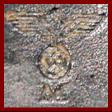
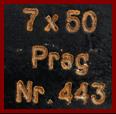
The Czech firm Srb & Stys Fabrik Praziser Messinstrument was founded in 1919, in Kavalirka My understanding is that they were initially involved in clock repair, then soon repair of microscopes and projectors, and they assembled microscopes from contracted parts, distributed geodetic optical meteorology instruments, in 1921 supplied surveying instruments to the Czech military. And from 1924 on they were involved in lens polishing and from 1937 in lens grinding. I understand they provided telescopes and binoculars to the Turkish army, telescopes to the Yugoslav army, and surveying optics to Greece. With the 1939 occupation of Czechoslovakia by Germany, Srb & Stys in Prag/Prague was placed under German military control. My Srb & Stys 7x50 Kreigsmarine M and eagle with swastika marked binoculars Nr. 443 (which I believe an assignment ID number), were produced between 1938 and 1940 (prior to changeover to manufacturer codes on German military binoculars, with Srb and Stys markings changing to bmk). Historical info credit: historicacollectacles.com (excellent website). For our other Srb & Stys binoculars see OTHER BINOCULARS #11 for a Czech army model and bmk post 1940 German army dienstglas model. |
|
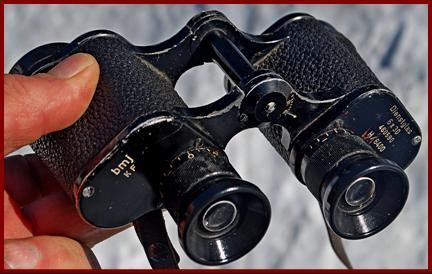
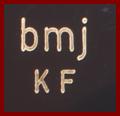
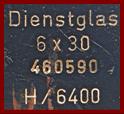
bmj is the post 1940 manufacturer code for German military dienstglas binoculars made by Hensoldt & Sohne Optisch Werke. My example serial no. 460590 ha the “ KF ” ( K ätel f est) marking indicates the use of cold weather Invarol lubricant. The German Russian campaign of 1941 particularly brought intense focus onto lubricants for guns, vehicles, aircraft, binoculars, and everything else to enable extreme cold weather operation. The H/6400 marking refers to the right ocular graticule/ strichplatte/ range grid, such that the Artillerie promille grid units indicate a 2m object filling one grid unit is 2 km away. |
|
Zeiss U.S. Navy 7x50 Mark XXXV Mod. 1 military binoculars |

|
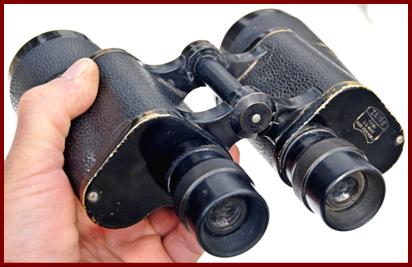
I understand that my Zeiss U.S. Navy 7x50 Mark XXXV Mod 1 binoculars were made for a 1926 contract of several thousand binoculars by the U.S. Navy to Carl Zeiss Germany, and that my example is as originally delivered by Zeiss. All these binoculars had no serial number. Some binoculars from this contract were later modified by National Instrument Co of Houston Texas, and some by |
|
Ajax Engineering Co. Chicago, but all of the modified Mk 35 Mk 1 binoculars have various additional markingsthat this example does not. Info. credit Frank Lagorio/ Flickr |
|
Carl Zeiss Italian Navy 7x50 military binoculars R.M./ Regia Marina serial #2134823 |
|
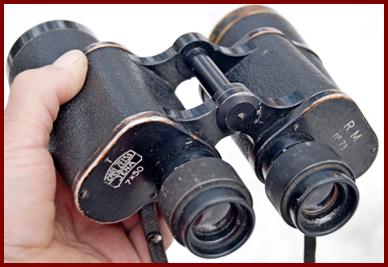
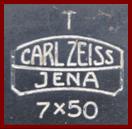
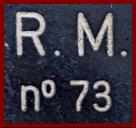
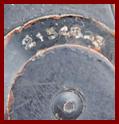
I believe that my Zeiss 7x50 binoculars with T marking (for transparenz) were issued in limited numbers to quite high ranking Italian Navy commanders, based on those similarly R.M. ( R egia M arina) marked Officine Galileo 7x50 binoculars that were issued to Italian navy commandants and also the Koristka R.M.I marked binoculars issued to Italian submarine commandants. The binocular ID No. 73 suggests a small order, and the Italian Navy Officine Galilo and Koriska have simlar. The specialized anti reflective single layer lens coated that gave greater light transmission on these was invented by Zeiss (Alexander Smakula) in 1935. The case that these came in seem to have 1942 and 1944 markings. The serial number 2134823 suggests 1941 production per Hans Seeger’s Zeiss factory notes. |
|
Oigee German army 6x30 dienstglas binoculars with strichtplatte/ range grid |
|
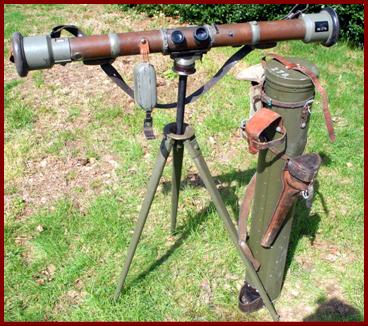
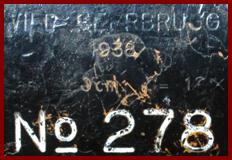
1938 Wild Heerbrugg TM-2 Swiss Military WWII Land Artillery Optical Coincidence Range Finder |
|
The clever design and detail and fit and finish of Swiss precision equipment is usually fairly impressive, and my 1938 Wild Heerbrugg military range finder (made 23 years after Wild was founded) is no exception. For example the multi part tripod consists of a Kern made table top tripod that fits into the full height tripod base, with a ball tripod head/ mount of some complexity, and elaborate cases for everything. |
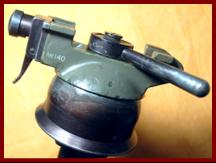
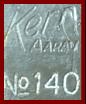
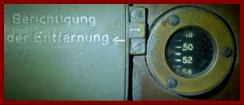



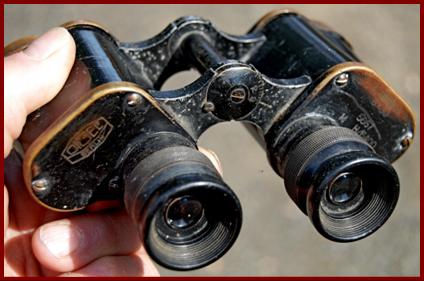
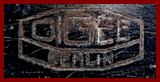
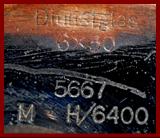
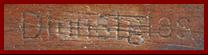
My WWII Oigee/ Optische Anstalt Oigee GmbH 6x30 dienstglas German army binoculars were made at their Berlin-Schöneberg factory, prior to the 1940 changeover to using codes on German WWII binoculars. Dienstglas has been defaced, and I normally associate defaced military markings with binoculars taken without official release. |

|
Bausch & Lomb U.S.M.C./ U.S.Marine Corps 6x30 binoculars |
|
Captured WWII eso (Optisch Werk G. Rodenstock code) Dienstglas 6x30 German Military binoculars w/reticule/ strichtplatte |
|
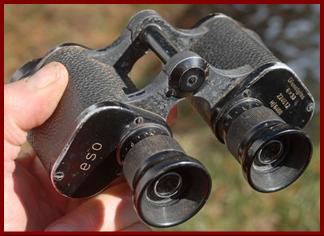
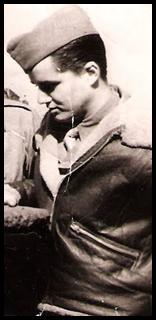
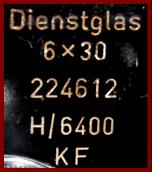
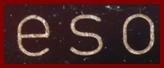
My WWII 6x30 German dienstglas military binoculars carry the eso wartime code of Optisch Werk G. Rodenstock, and are standard pattern WWII German military binoculars with right ocular reticule/grid. My understanding is that these were brought back home to the USA by a member of the US Army Air Force 79th fighter group, Staff Sergeant John K Browning of Baltimore Maryland. The 79th fighter group was stationed in Egypt, Lybia, Tripoli, Tunisia, Malta, Sicily, Italy, and France during WWII, and then in Linz Austria during the occupation, and flew P40 and P47 Thunderbolt fighters. The binoculars are engraved with a letter and 12 digit inscribed Maryland drivers license number, a common anti theft practice in the 1950’s & 1960’s.The “KF ” (K ätelfest) marking indicates the use of late war cold weather Invarol lubricant, which was a product developed to cope with the extreme cold of the German invasion of Russia. This is another example of where binoculars (as an object or artifact) have interesting stories to reveal of their past. |
|
Previous owner S/Sgt John K. Brownley 79th fighter group US Air Force, photo of him above |

|
1927 Russian Podolsk Optical factory 6x30 Military Binoculars 14776 |
|
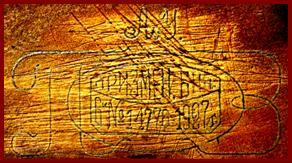
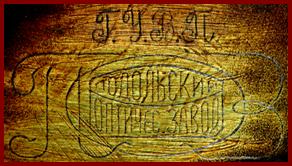
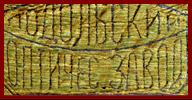
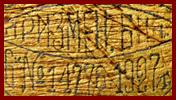
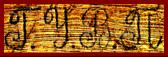
The Russian Podolsk Optical factory only existed from 1926 to 1928, and was located in outside Moscow in a former Singer sewing machine factory. It was the successor to the main Artillery Directorate Factory, which was the successor to the previous Zeiss and Goerz Russian factories. Surviving binoculars seem uncommon, and my 6x30 binoculars serial No.14776 have somewhat defaced markings suggesting having been German soldier captured binoculars. (The binoculars website fernglasmuseum.at has a similar but slightly different 1926 example with serial No. 13099). Some markings are not known by me ( Russian translation help welcome !!). |


|
Contact me with info: Свяжитесь со мной для получения информации: miniature.binoculars@gmail.com |
|
1927 Бинокль российской армии |
|
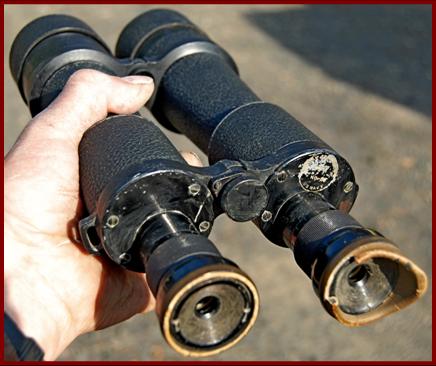
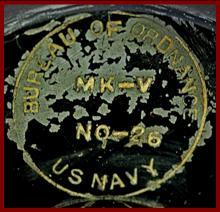
Bausch & Lomb? U.S. Navy Bureau of Ordnance MK-V binoculars, No-26 |
|
I believe my U.S. Navy Bureau of Ordnance MK-V binoculars to be uncommon, because I can find no other example pictured on line or in my reference books. Also the serial no. 26 suggests a trial run for evaluation (speculative). I did see a Navy document of models that listed MK5 mod 0 7x50 binoculars having been made for the U.S Navy Bureau of Ordnance by Bausch & Lomb. These have sliding objective lens shields, and had rubber ocular shields. I assume pre 1920’s (speculative). |

|
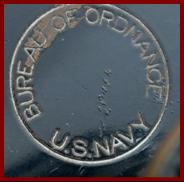
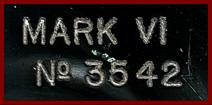
Bausch & Lomb? U.S. Navy Bureau of Ordnance MK-VI 10x45 binoculars, No-3542 |

|
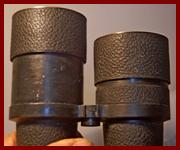
My understanding is that my U.S. Navy Bureau of Ordnance MK-VI binoculars were produced around 1915-1919 and presumably as a production replacement for the Mk V model (above), and some were produced by the Crown Optical Co. which was taken over to become the U.S. Naval Gun Factory annex, though mine are unmarked. |
|
North American Civilian Binoculars with AM Radio Cases for Ball Games, St. Moritz , Carl Wetzlar |
|
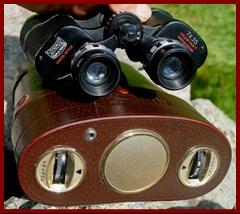
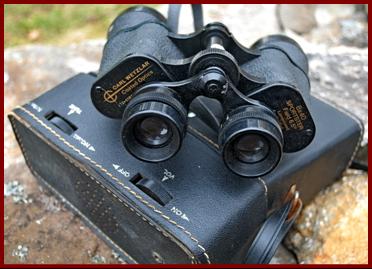
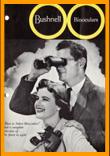
Binoculars with AM radio cases fit a time period (1950’s/ 1960’s) when AM radio in the United States and Canada broadcast professional outdoor sports games (baseball, football) with a constant stream of commentary. Some sports fans actually attending games in person wanted to hear that while watching the game with their binoculars, so brought their binoculars radio case combination sets and listened either on the speaker or more privately on an earphone. This may also apply to some indoor sports like basketball and hockey, or .horse races or car races. |
|
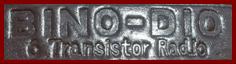
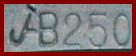
My Bino-Dio transistor radio case and St. Moritz 7x35 binoculars were imported into the USA by Manhattan Novelty Corporation of New York City, USA, who held the US trademark for St Moritz for binoculars 1953-1988. My St. Moritz binoculars were assembled by JB250/ Fujimori Optical Co., Ltd. Of Japan. The radio still works. |


|
My transistor radio case and Carl Wetzlar 8x40 Sportster binoculars were imported into Canada by W. Carsen & Co. Ltd of Ontario Canada. My Carl Wetzlar binoculars were assembled JB206 / Fujita Koki Seisakuio of Japan with frame made by JE9 / Sato Kogaku Kogyo Co. Ltd. of Japan. Carl Wetzer was a brand name created to invoke German brands Carl Zeiss Jena/ E. Leitz Wetzlar by Walter Carsen (see dienstglas Air Force binoculars above). The radio still works. |



|
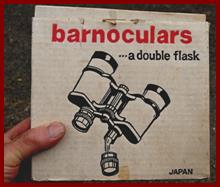
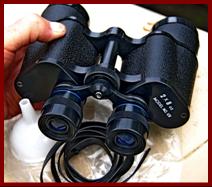
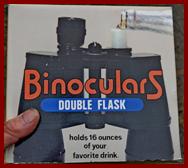
Fake Binoculars for sneaking beer and liquor into Ball Games BarNoculars |
|
Virtually all U.S. outdoor professional sports venues (Football, baseball, horse and car races, etc) license all alcoholic beverage sales to their vendors. The average price of buying a beer from those vendors has always been high (right now over $5 for 12 oz.) and people are not allowed to bring their own alcoholic beverages into stadiums. So for many decades realistic fake binoculars have been made to smuggle alcohol into stadiums such as my Japanese and Chinese 2x18 oz. pairs of fakebinoculars double flasks. |
|
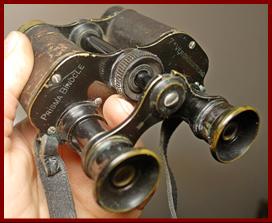
WWI era German manufactured (probably Busch ?) 7x US Navy Contract Binoculars |
|
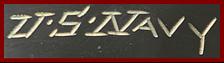
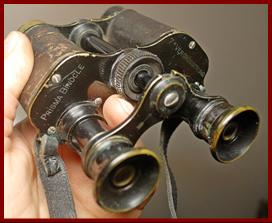
Though not brand marked, I believe my PRISMA BINOCLE (prism binoculars) 7x VERGROSSERUNG (7x enlargement) binoculars by their markings and configuration to have been made by the German manufacturer Emil Busch for a U.S. Navy contract, based on fairly standard Busch civilian model binoculars. (Also see U.S. military purchase documentation of my 1916 Busch US Army signal corps binoculars in OTHER BINOCULARS #7 ). The “Eagle” logo on the case buckle is Eagle Lock of Terryville Ct that made the latch. |


|
G. Rodenstock (Optisch Werk G. Rodenstock) German army 6x30 pre 1940 dienstglas binoculars |
|
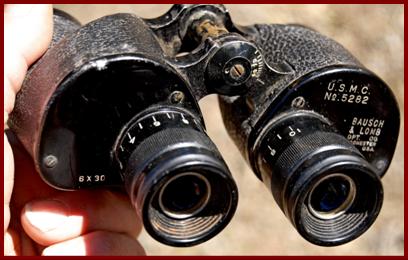
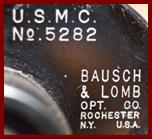
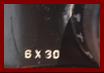
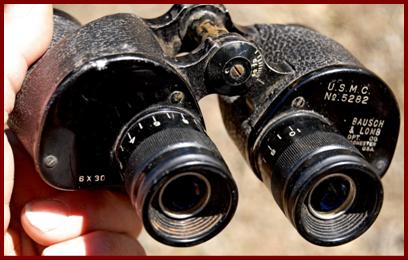
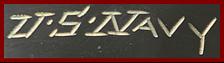
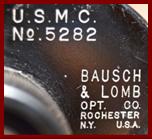
My Bausch & Lomb U.S.M.C./ U.S. Marine Corp. have a couple oddities versus the few other Bausch & Lomb U.S.M.C 6x30 binoculars that I have seen, suggesting either prewar or early WWII (such as 1939) production For example, the objective pivot cover is blank and has no contract data. I have read that B&L binoculars had serial number prefixes from 1940, and mine have no prefix. |
|
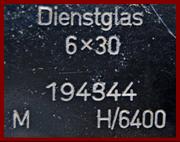
My WWII 6x30 German dienstglas military binoculars carry the pre 1940 Logo marking of Optisch Werk G. Rodenstock of Munich Germany, and are standard pattern WWII German military binoculars with right ocular reticule/grid./ The H/6400 marking refers to the right ocular graticule/ strichplatte/ range grid, such that the Artillerie promille grid units indicate a 2m object filling one grid unit is 2 km away. |
|
I have also observed U.S. Navy Bureau of Ordnance Mk VI binoculars serial # 3054 |
|
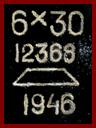
1946 Krasnogorsk Mechanical Plant ( Красногорский механический завод, Krasnogorskiy Mechanicheskiy Zavod, KMZ) Russian 6x30 Military binoculars |
|
At the end of WWII most binoculars manufacturers (including those in Russia, the UK, Canada and elsewhere that were essentially government operated) usually assembled the binoculars they could from the piles of wartime parts on hand. I think this is probably the case with my 1946 Russian Krasnogorsk state plant binoculars, which have a leather ocular cover, and do not have a graticule/ ranging grid. The Krasnogorsk factory was created in 1942 near Moscow, and still is in operation, and was known for manufacturing Zenit camera products. The “tomb” logo was used by KMZ during the years 1942-1949. |